Root Canals: What They Are and Why They're Not Scary
Posted on 8/5/2026 by SRD Tuscumbia |
 If someone has told you that you need a root canal and your stomach dropped a little, it helps to know what a root canal actually is: a routine, modern procedure designed to save your natural tooth and relieve discomfort, not cause it. The reputation root canals carry is largely outdated, built on stories from an era of dentistry that looks very different from what patients in Tuscumbia experience today. Modern tools, better anesthetics, and refined techniques have made the procedure far more comfortable than the rumor mill suggests. If someone has told you that you need a root canal and your stomach dropped a little, it helps to know what a root canal actually is: a routine, modern procedure designed to save your natural tooth and relieve discomfort, not cause it. The reputation root canals carry is largely outdated, built on stories from an era of dentistry that looks very different from what patients in Tuscumbia experience today. Modern tools, better anesthetics, and refined techniques have made the procedure far more comfortable than the rumor mill suggests.
At Singing River Dentistry, we frequently meet patients who have been quietly dreading a root canal treatment recommendation for months. Once we walk them through what’s actually involved, most are surprised by how straightforward the visit really is. This article explains what the procedure is, the signs that may point to needing one, what to expect during and after, and the myths worth setting aside.
On This Page
What Is a Root Canal?
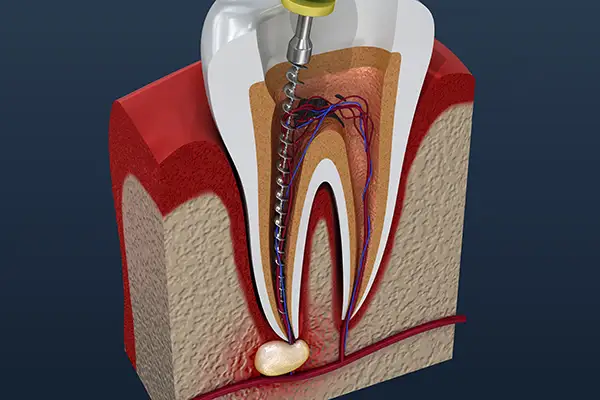 A root canal is the treatment used to save a tooth when the soft tissue inside it, called the pulp, becomes infected or inflamed. The pulp contains nerves, blood vessels, and connective tissue, and it runs from the crown of the tooth down through narrow channels (the canals) inside each root. When bacteria reach this tissue, the result is sensitivity, swelling, or a dull lingering ache that doesn’t go away. A root canal is the treatment used to save a tooth when the soft tissue inside it, called the pulp, becomes infected or inflamed. The pulp contains nerves, blood vessels, and connective tissue, and it runs from the crown of the tooth down through narrow channels (the canals) inside each root. When bacteria reach this tissue, the result is sensitivity, swelling, or a dull lingering ache that doesn’t go away.
During treatment, the goal is straightforward: remove the infected tissue, clean and shape the inside of the canals, and seal the space so bacteria can’t return. The outer shell of the tooth stays in place. That’s why root canals are described as tooth-saving. Without one, the tooth would likely need to be removed entirely.
Signs You Might Need One
Symptoms vary, and not every uncomfortable tooth means a root canal is on the table. Our team listens carefully for patterns. The signs we hear most often include:
| • |
Lingering sensitivity to hot or cold – a sensation that stays for 30 seconds or more after the temperature is gone
|
| • |
Sharp discomfort when chewing or biting – especially focused on a single tooth
|
| • |
A darkening or graying tooth – often a sign the nerve has died
|
| • |
Swelling or tenderness in the gums – sometimes with a small pimple-like bump that may release fluid
|
| • |
A persistent dull ache – one that won’t settle with rest or over-the-counter relief
|
| • |
A cracked or deeply decayed tooth – visible damage that has reached the inner layers |
If you notice any of these, the right next step is a toothache evaluation so the cause can be identified accurately. An X-ray usually tells the story quickly. Sometimes the symptoms point to a dental abscess that needs prompt attention. Other times the situation is simpler, and a different treatment is the better fit.
The Modern Root Canal Procedure, Step by Step
 Modern root canal treatment is usually completed in one or two visits, depending on how many canals the tooth has and how much infection is involved. The appointment typically unfolds in a few clear steps. Modern root canal treatment is usually completed in one or two visits, depending on how many canals the tooth has and how much infection is involved. The appointment typically unfolds in a few clear steps.
First, the area is fully numbed with local anesthesia. Most patients describe the rest of the visit as feeling about the same as having a routine filling done. We then place a small protective sheet, called a dental dam, around the tooth to keep the working area clean and dry.
A small opening is made in the top of the tooth to reach the canals. Using fine instruments, we carefully clean out the infected or inflamed pulp tissue, then shape the inside of each canal. The space is irrigated thoroughly to flush out any bacteria. Once the canals are clean, they’re filled with a flexible biocompatible material called gutta-percha and sealed.
Most teeth that have had a root canal need a dental crown placed afterward to protect the remaining structure from cracking. A temporary filling holds the tooth in place until the permanent crown is ready, or in many cases the restoration can be completed in the same window using same-day crown technology.
Recovery and Long-Term Outlook
The reality of recovery surprises many patients. Soreness is usually mild and tends to fade within a few days. Most people return to normal activities the same day or the following morning. Over-the-counter products are typically enough to handle any tenderness. We ask patients to avoid chewing on that side until the permanent restoration is in place, since the tooth structure is more vulnerable until then.
The long-term outlook is strong. Research consistently shows that root canal-treated teeth have high success rates over many years, particularly when followed by a well-fitted crown and routine dental checkups. A tooth that’s been properly treated and restored can function for decades and is often indistinguishable from the rest of the smile.
Setting the Record Straight on Root Canal Myths
The most persistent root canal myth claims the procedure causes systemic disease. This idea traces back to a discredited line of research from nearly a century ago. The studies have been examined repeatedly by modern researchers and major dental and medical organizations, and the conclusion is the same: there is no credible evidence linking root canal treatment to systemic illness. The American Association of Endodontists, the American Dental Association, and decades of peer-reviewed research have all addressed this directly.
Another common myth is that root canals are painful. They’re not. The procedure relieves the source of discomfort. The throbbing sensation people associate with root canals comes from the infection that prompts treatment, not from the treatment itself.
When an Extraction Might Be the Better Choice
Sometimes a tooth is too damaged to save. If the structure is fractured below the gumline, if infection has eroded too much of the root, or if a previous root canal has failed and retreatment isn’t feasible, removing the tooth may be the better path. That decision is never made casually. Once a natural tooth is gone, the next step is usually a dental implant or another replacement option to keep the bite stable.
For many situations, though, the root canal route is the less invasive choice. It preserves the natural tooth root, supports the surrounding bone, and avoids the additional steps and recovery that follow extraction. The right answer depends on what the X-rays show, the condition of the surrounding bone, and the broader picture of your overall dental health.
Taking the Next Step
If a tooth has been bothering you, or someone has mentioned the possibility of a root canal, getting clear information is the most useful thing you can do. The team at Singing River Dentistry in Tuscumbia, AL is happy to walk through what’s actually going on with the tooth, what your options look like, and what to expect. To set up that conversation, call us at 256-383-0377 or learn more about our Tuscumbia dental office and the care we provide.
Frequently Asked Questions
Do root canals hurt during the procedure?
No. With modern local anesthesia, the tooth and surrounding tissue are fully numb during the appointment. Most patients describe the visit as similar to a routine filling. Any throbbing or aching you may have felt beforehand comes from the infection itself, which the root canal removes.
How long does a root canal take?
A typical root canal takes about 60 to 90 minutes per tooth. Molars with multiple canals may take longer or be completed in a second visit. Your dentist can give you a clearer time estimate after reviewing X-rays of the specific tooth.
How long does a root canal last?
A properly treated and restored tooth can last decades, often a lifetime. Success rates are high when the procedure is followed by a well-fitted crown and routine dental checkups. Keeping up with cleanings and good home care is what protects the result over the long term.
Can I drive myself home after a root canal?
Yes, in most cases. Local anesthesia numbs the area without affecting alertness, so most patients drive themselves home and return to work or normal activities the same day. If oral or IV sedation is used for added comfort, you’ll need a ride home.
What happens if I skip a recommended root canal?
The infection won’t resolve on its own. Left untreated, it can spread into the surrounding bone and cause swelling, increasing discomfort, and eventually loss of the tooth. Getting an evaluation early usually means more treatment options and a better outcome.
Are some teeth harder to treat than others?
Yes. Molars at the back of the mouth have more canals and more complex root anatomy, which can make treatment take longer. Front teeth tend to be more straightforward because they usually have a single canal.
|
|